Condo by-laws and the MCST: what to check before you buy or rent
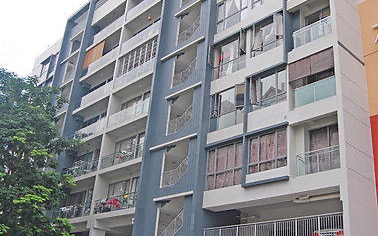
In June 2026, The Straits Times reported on a dispute at Casa Aerata, a 78-unit condo in Geylang, where owners who rent to companies clashed with the management over new house rules. The management had passed by-laws stopping construction work permit holders from living in the units, and later limited tenancies to certain "eligible" foreign employees. Twelve owners were sent legal letters, and a $200 fee was attached for non-compliance. It is an unusual case, but it is a useful reminder: at a condo, the rules can change after you move in, and they are set by the people who own the place, not by you alone.
Who actually makes the rules
Every condo is run by an MCST, the Management Corporation Strata Title. Think of it as the body of all the owners, with a council elected to act on their behalf. The MCST sets the by-laws (the house rules) and the budget. Most decisions are made at the AGM (the yearly meeting) or an EGM (a special meeting called in between), but how many votes they need depends on what is being decided. The money and running decisions, like the budget and how much you pay in monthly fees, only need an "ordinary resolution", a simple majority of the owners who turn up and vote, so a fairly small group of active owners can push those through. Changing the actual house rules, the by-laws, is harder: by law it needs a "special resolution", which means at least 75% of the owners (by share value) voting in favour, with 21 days' notice. So the rules cannot be flipped on a bare majority, but the fees can.
None of this is a bad thing. A well-run MCST is what keeps the pool clean, the lifts working and the place looking good, which protects your value. The point is simply that the rules are not fixed forever, and they are worth reading before you commit.
If you are only going to live there, this matters less
If you are buying or renting a condo purely to live in it yourself, most by-laws will never affect you. You will follow the normal rules, enjoy the facilities and get on with life. The research becomes important the moment you are planning for more than just residing there, especially if you intend to rent the unit out as an investment.
Renting it out: know the risks
The Geylang case is rare. Restricting tenants by their work status is genuinely unheard of at most condos. It is worth being clear on the difference with HDB here: HDB flats come with the Ethnic Integration Policy and a non-citizen quota, which can limit who you are allowed to rent to. Condos generally have no such restriction at all, which is one reason investors like them.
But there are plenty of other things an MCST can change, and several of them hit landlords and tenants directly. Some are money decisions that only need a simple majority; others are rule changes that need the higher 75% by-law vote, which is harder to pass but still happens:
- New charges or rules for facilities and carparks. A second carpark lot, the function room or BBQ pit can start carrying fees, or how they are used can be tightened. Where this is written into the by-laws it needs the 75% vote.
- Higher maintenance or sinking fund contributions, at any time. A simple majority is enough, and these can be raised at an AGM or an EGM. A jump in monthly fees eats straight into your rental yield.
- Restricted facility hours. Pool, gym or BBQ hours can be shortened, which matters if you marketed the unit on its lifestyle. This is a by-law change, so it needs the 75% vote.
- Removal of the shuttle bus. One of the most common changes, and a money decision that only needs a simple majority. A unit that was "a short shuttle ride to the MRT" can quietly lose that selling point.
- Switching to cheaper vendors or fewer facilities staff. Often this is a sensible saving and service stays the same or improves. But if it is purely to cut costs, you can end up with weaker upkeep, patchier landscaping or slower cleaning over time.
The everyday rules people forget to check
Beyond the big-ticket items, the routine house rules are where buyers and renters get caught out. Before you sign anything, ask the management office for the current by-laws and look for:
- Moving and delivery rules. Many condos do not allow furniture moves or bulky deliveries on weekends, and require notice anywhere from a few days to a couple of weeks in advance. This can clash badly with a tenant's move-in date.
- Moving deposits. A refundable deposit is usually taken before a move. These range from a few hundred to a few thousand dollars, so it is worth knowing the figure up front.
- Facade and exterior rules. Things you might think are "yours" are often controlled. Common examples are the colour and type of balcony zip-track blinds (so the building looks uniform from outside) and bans on hanging laundry over the balcony. Get these wrong and you may be told to take them down.
The unusual by-laws that really exist
By-laws vary a lot from condo to condo, and some are stranger than people expect. A few real examples reported over the years:
- Tenant work-status limits. The Casa Aerata case in Geylang, where by-laws barred construction work permit holders and later allowed only certain "eligible" foreign employees. Very rare, but it happened.
- Helpers shut out of facilities. Some by-laws define "resident" to exclude domestic helpers, and bar them from the pool or gym even though they live there full-time. Condos in the Tanjong Rhu and East Coast areas have been reported doing this, and it draws strong criticism each time.
- Smoking banned on your own balcony. MCSTs are allowed to pass by-laws against smoking at balconies, patios or near windows. Mi Casa, for instance, bans smoking on balconies and within one metre of windows. The Government does not keep a list of which condos have such rules, so you have to check the specific by-laws.
- Pet movement rules. Pets are often required to be carried or leashed in lifts and common areas, and kept away from the pool, BBQ pits, function rooms and gym.
- Awnings and exterior fittings. External walls usually count as common property, so adding an awning or a fixed sun-shade can legally require a very high 90% vote of owners. Singapore courts have ordered unauthorised awnings removed when that bar was not met, so a simple "patio shade" can become a real dispute.
- Short-stay bans. Renting out for short stays is already illegal in Singapore below three months under URA rules, but some condos write the ban into their by-laws on top of that.
- Admin fees for breaches. Many condos attach a fee to rule-breaking, like the $200 in the Geylang case, though there are legal limits on how far an MCST can go in setting its own fines.
The simple takeaway
The MCST is not the enemy. A strong one is exactly what makes a condo a good place to live and a good asset to hold. But the rules are real, they can change, and they vary widely between developments. Whether you are buying to invest or signing a lease, ask for the full by-laws first, read the parts on tenancy, moving, facilities and the exterior, and factor any risks into your numbers before you commit.
Looking at condos to buy or rent? Browse listings on Bloc, with the real district and MRT walking distance shown on every one.
Browse condos